
The Pink Punk Jewel: A Guide to the Rare Typhochlaena costae
Introduction (The Wow Factor)
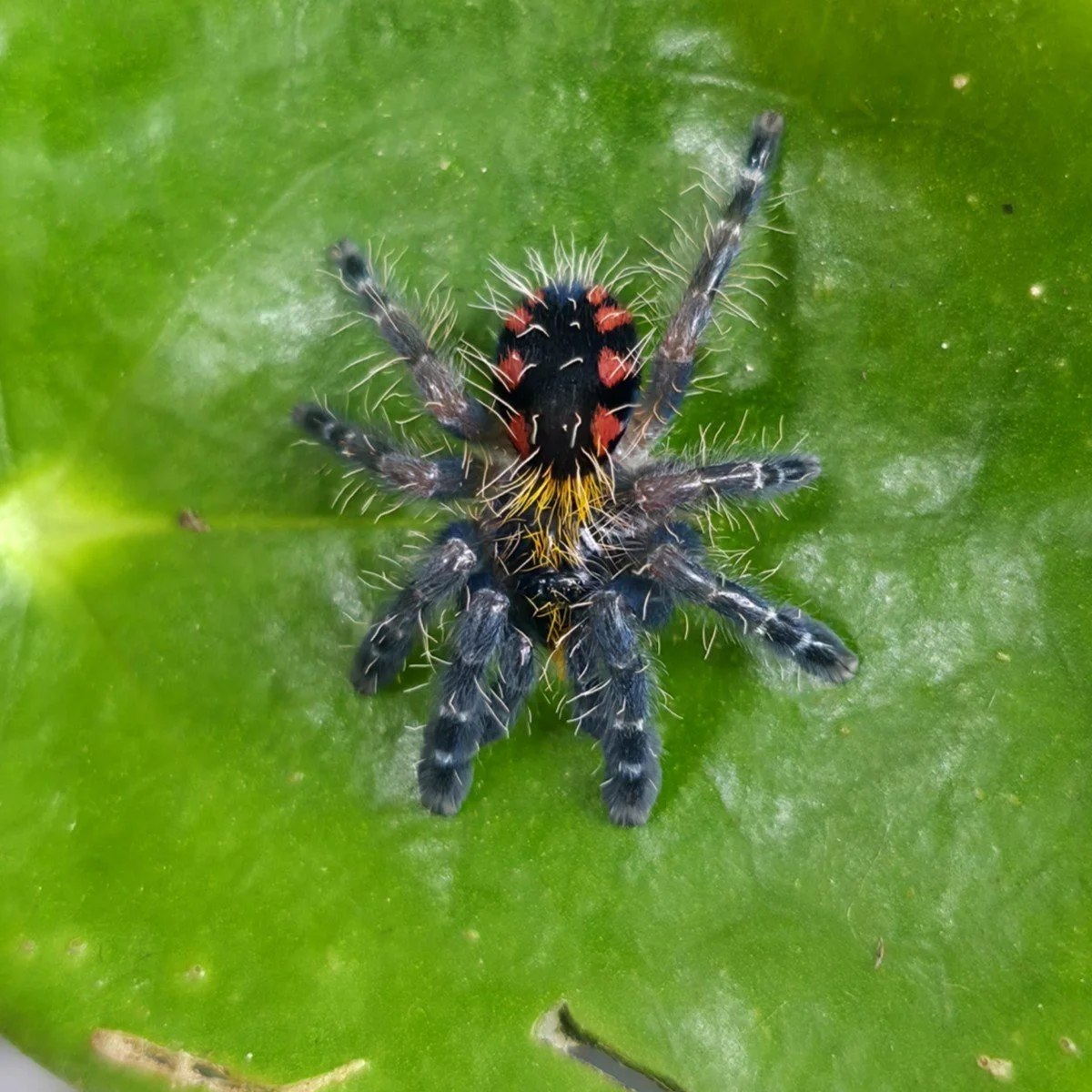
In the upper echelons of tarantula keeping, few names evoke as much awe as the genus Typhochlaena. While the famous T. seladonia often steals the spotlight, serious hobbyists know that the Typhochlaena costae—the Brazilian Pink Punk Jewel—is an absolute masterpiece of nature. Hailing from the unique savannah ecosystems of Brazil, this species is an elite dream spider for any advanced collector. Combining a striking, almost electric pinkish aesthetic with a fascinating micro-habitat lifestyle, this tiny jewel is the ultimate display of architectural genius in the spider world.
Size, Growth, and Longevity
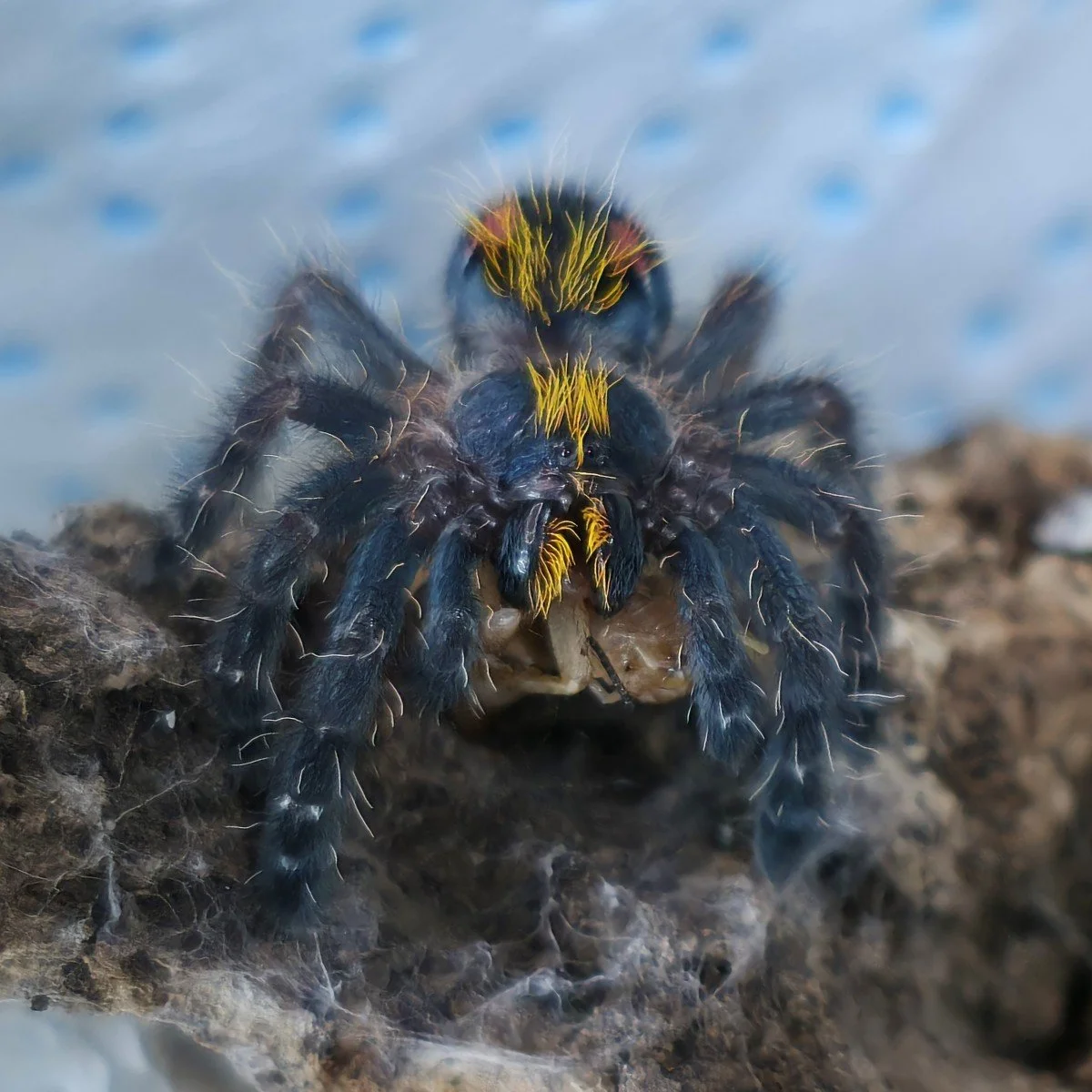
The Brazilian Pink Punk Jewel is a true arboreal dwarf species, reaching a maximum adult diagonal leg span of just 3cm to 4cm (around 1.5 inches). Because of their diminutive size and specialized evolutionary path, they possess a slow-to-medium growth rate. Every moult is a milestone for the keeper. While their compact size makes them exceptionally "shelf-friendly" for collectors with limited space, their unique lifecycle means they require dedicated attention from spiderling to adulthood.
Temperament and Suitability
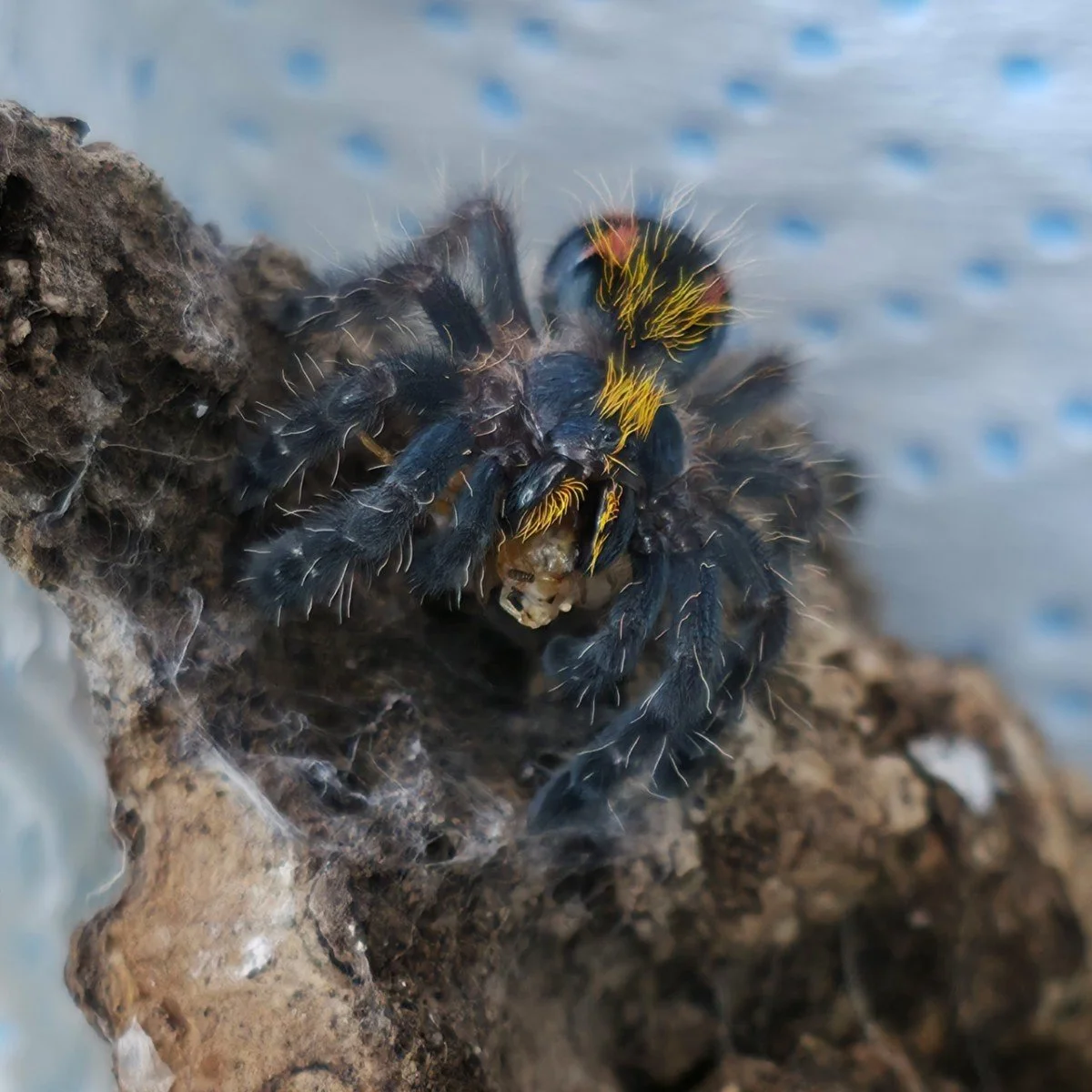
Make no mistake: the T. costae is strictly for advanced, serious collectors. They are not aggressive or defensive in the traditional sense; instead, their challenge lies in their delicate nature. While they are not quite as fragile as Typhochlaena seladonia, they are still highly sensitive animals that leave very little room for keeper error.
What makes them truly legendary is their behavior. In the wild, they inhabit tree crowns along the Brazilian savannah, where they construct ingenious, camouflaged trapdoors out of bark, moss, and silk right on the bark surfaces. Watching a dwarf tarantula operate a tiny trapdoor in an arboreal setting is one of the most rewarding sights in the entire hobby, making the intense care requirements entirely worth it for dedicated keepers.
Enclosure Setup & Advanced Husbandry
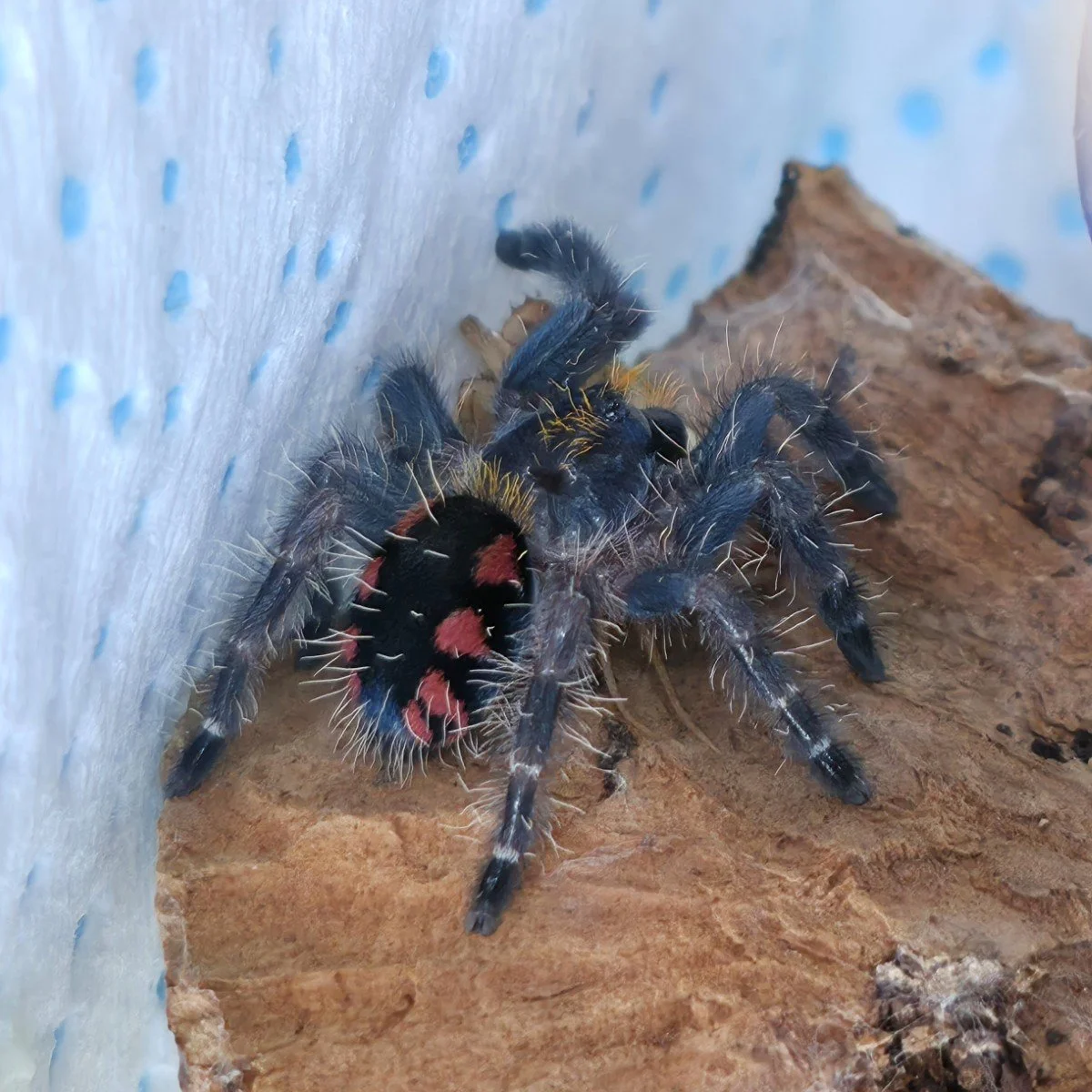
Replicating the harsh dynamics of the Brazilian savannah is the secret to keeping this species thriving in the UK. In their native habitat, daytime temperatures are very warm, while nights can be surprisingly harsh, with temperatures dropping down to 14°C. They are highly adapted to this diurnal swing, but their microclimate must be monitored closely.
To raise them successfully, use a small, vertically oriented enclosure equipped with a textured piece of cork bark that mimics a tree trunk to allow them to build their trapdoor.
Substrate: The substrate at the bottom of the enclosure must be kept bone dry to prevent stagnant humidity and mold, which can quickly be fatal to this fragile species.
Hydration: Because the environment is kept dry, hydration is critical. The best approach is providing a small water dish filled with wet cotton. Our keeping experience has shown that they readily climb down and drink exceptionally well from the wet cotton, keeping them safely hydrated without spiking ambient humidity.
Feeding Strategy: Due to their delicate frame and small size, the safest and most effective way to raise them is to feed them with prekilled crickets. The T. costae will usually accept prekilled prey left near their retreat without any issues, eliminating the risk of a live cricket injuring the spider or disrupting its fragile trapdoor structure.
Conclusion
The Typhochlaena costae (Brazilian Pink Punk Jewel) is a shimmering jewel of the Brazilian canopy. Its status as an elite dream species is well-earned, offering unmatched trapdoor behavior packed into a gorgeous dwarf frame. While their fragile nature and strict environmental demands mean they require a watchful eye and steady hands, the reward of successfully raising a Pink Punk Jewel is the pinnacle of modern arachnid keeping for any enthusiast.
Product Links
Typhochlaena costae (Brazilian Pink Punk Jewel)
