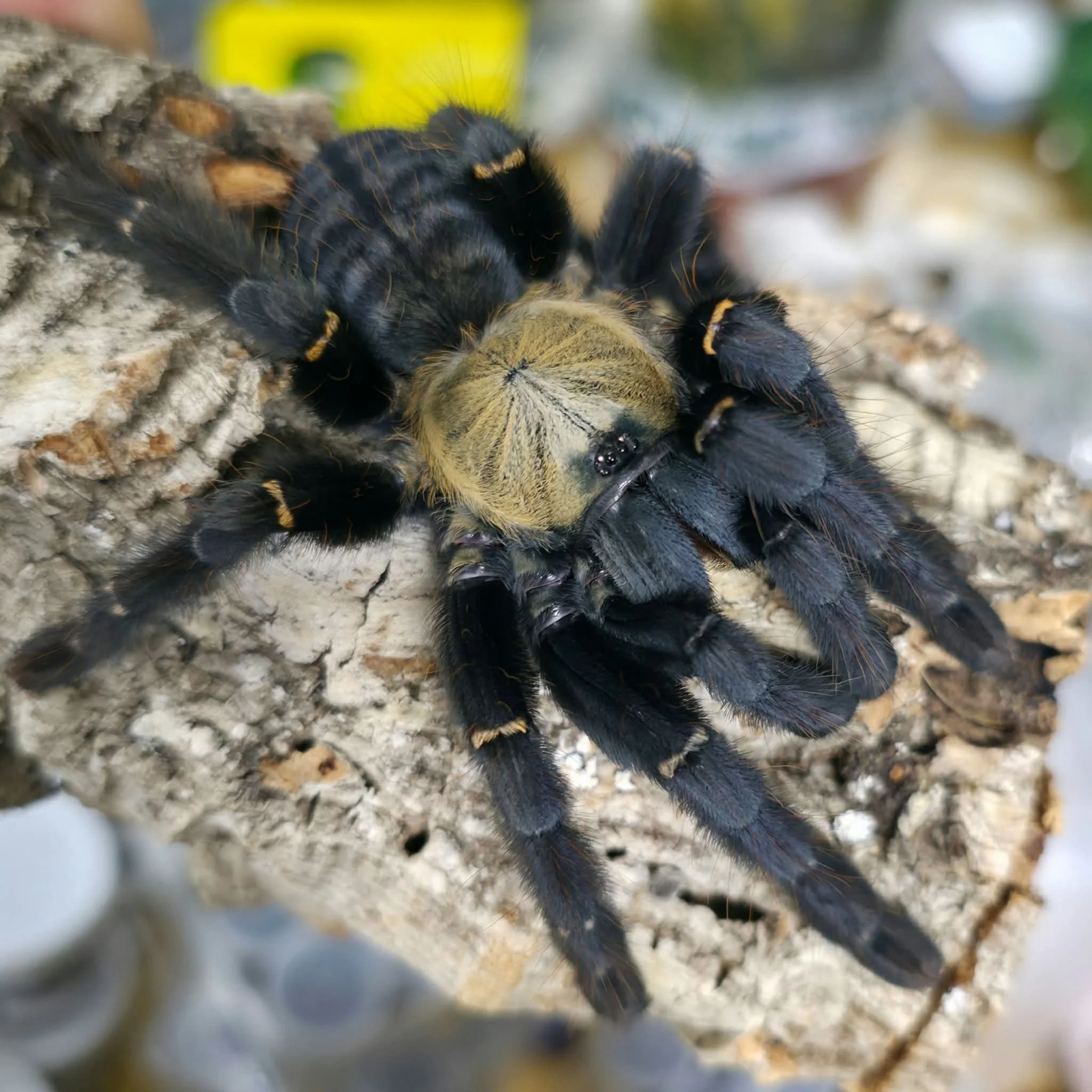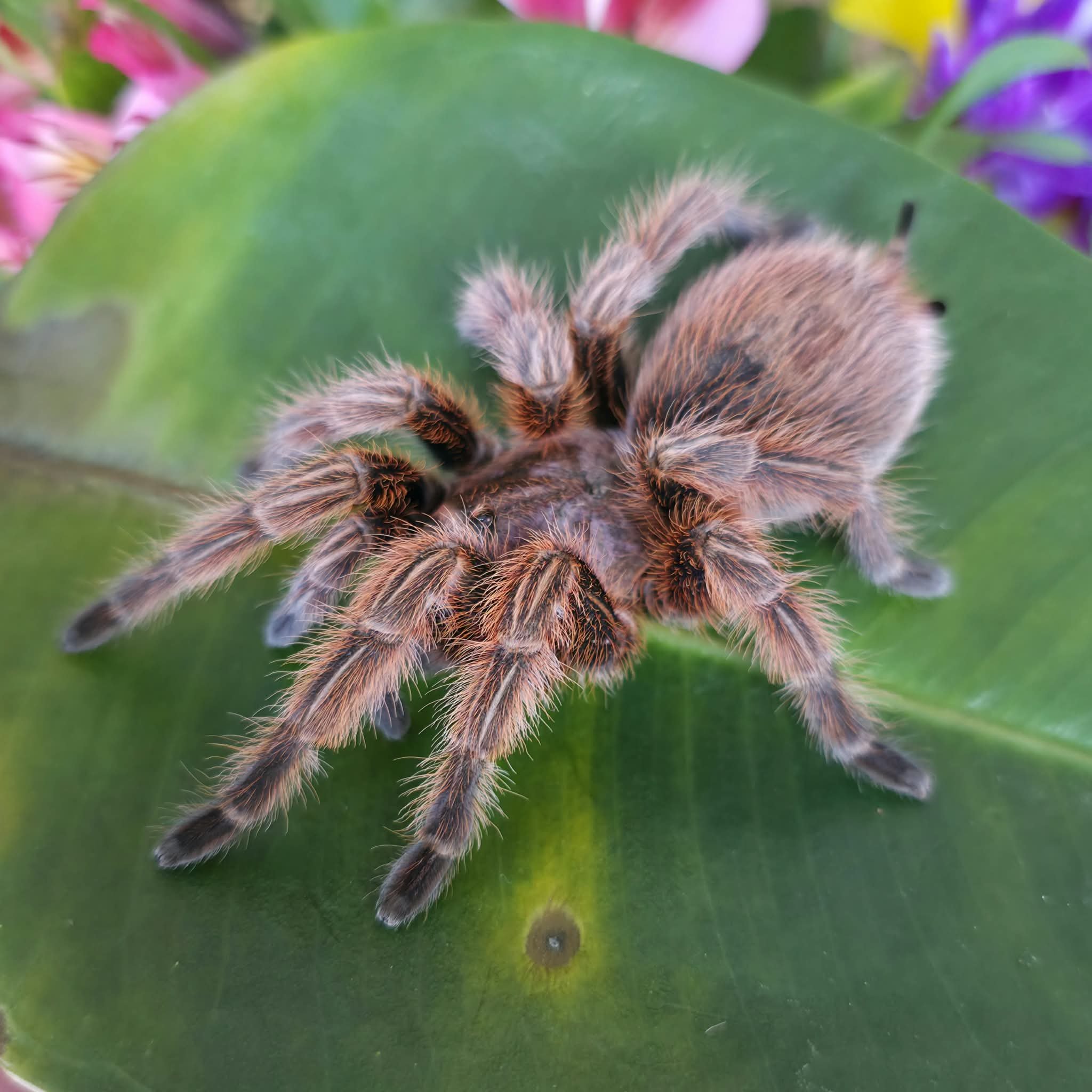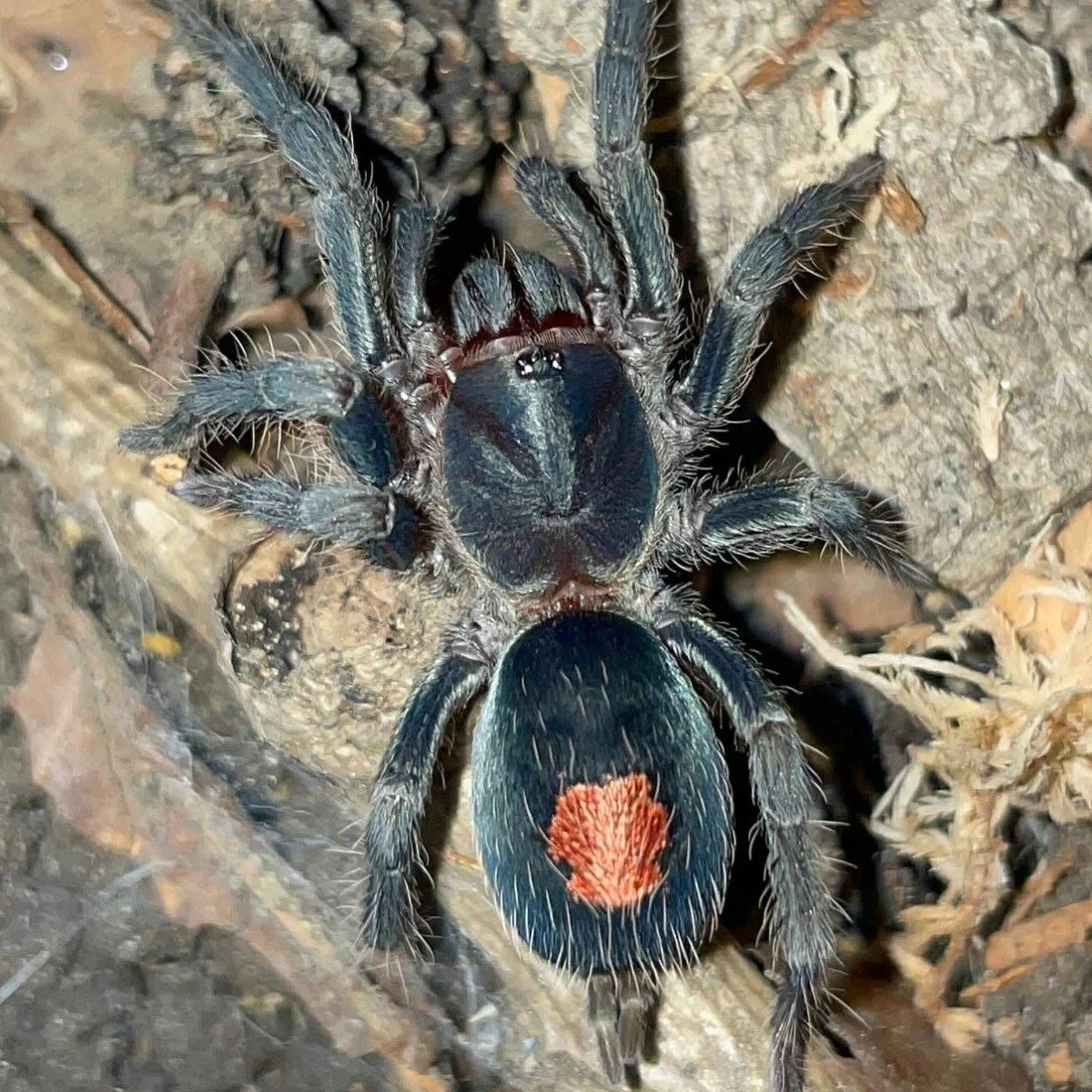
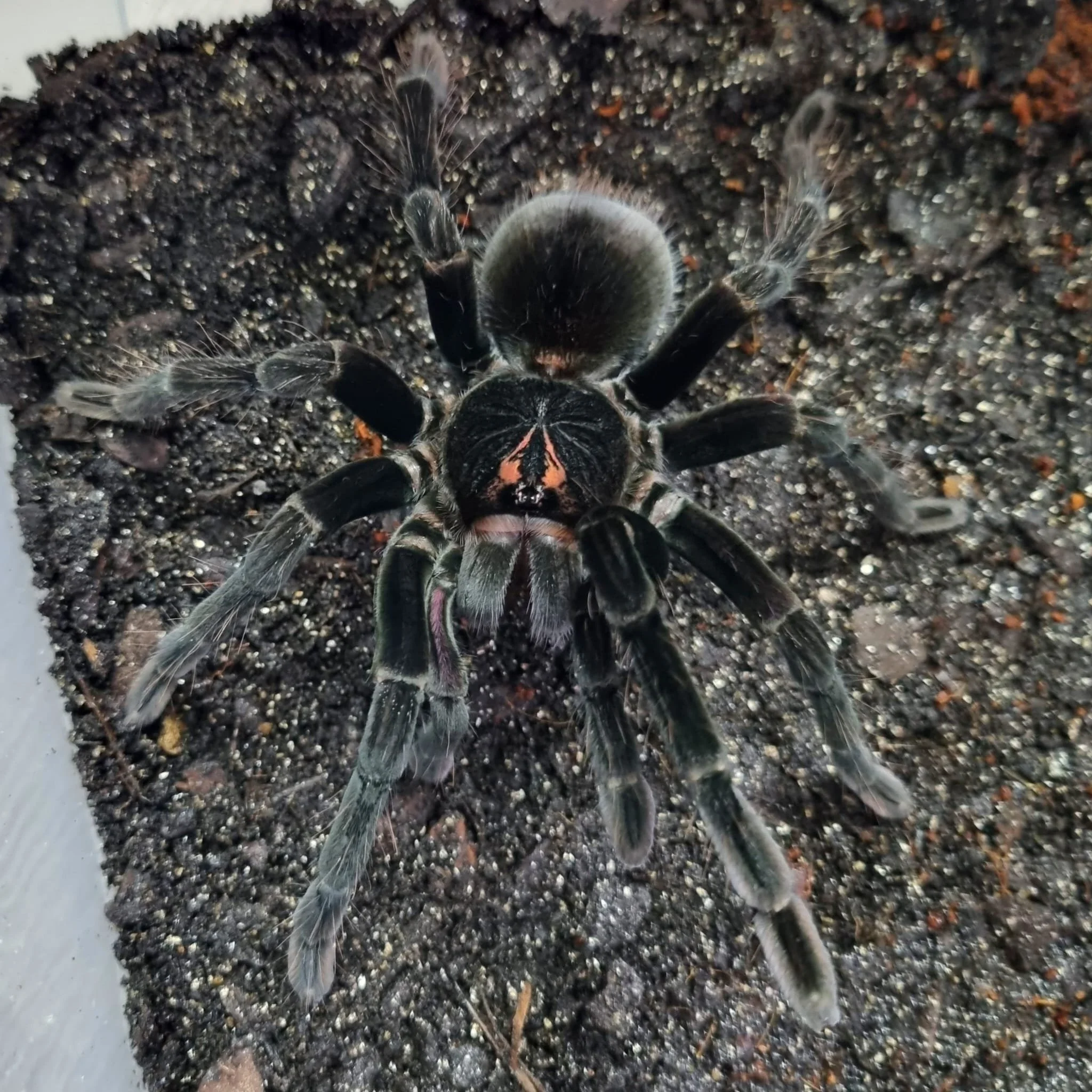
Pamphobeteus
Discover Pamphobeteus tarantulas, one of the most spectacular groups of giant terrestrial tarantulas from South America.
Our Pamphobeteus species collection showcases the incredible variety within this popular genus, from the famous Pamphobeteus sp. platyomma (Brazilian Pink Bloom) to striking species such as Pamphobeteus ultramarinus (Ecuadorian Birdeater), Pamphobeteus sp. Machala (Purple Bloom) and Pamphobeteus sp. Solaris (Colombian Supernova). We also stock Colombian Pamphobeteus and other sought-after Pamphobeteus species and forms for keepers looking to learn more about these remarkable birdeater tarantulas.

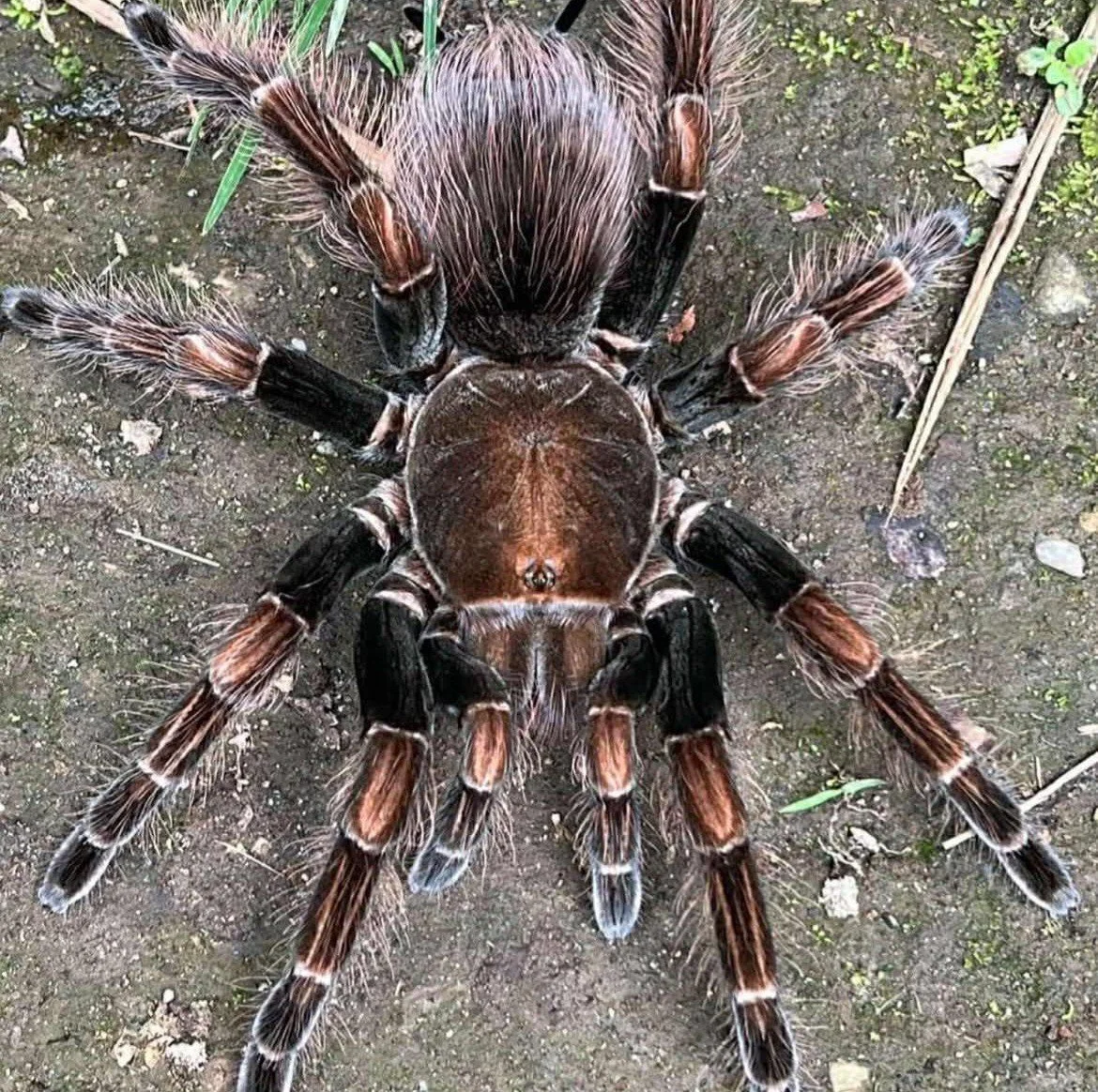


About Pamphobeteus Tarantulas
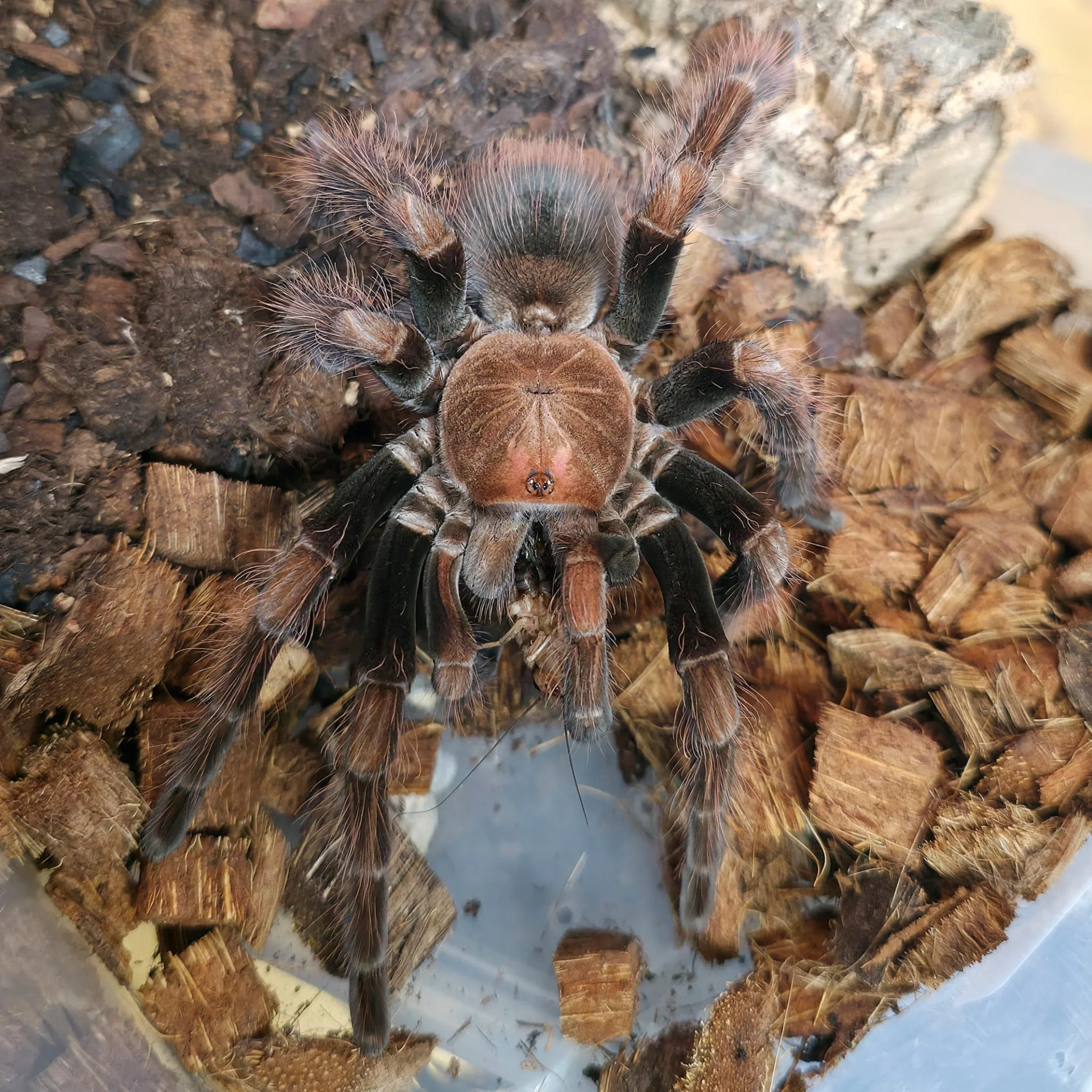
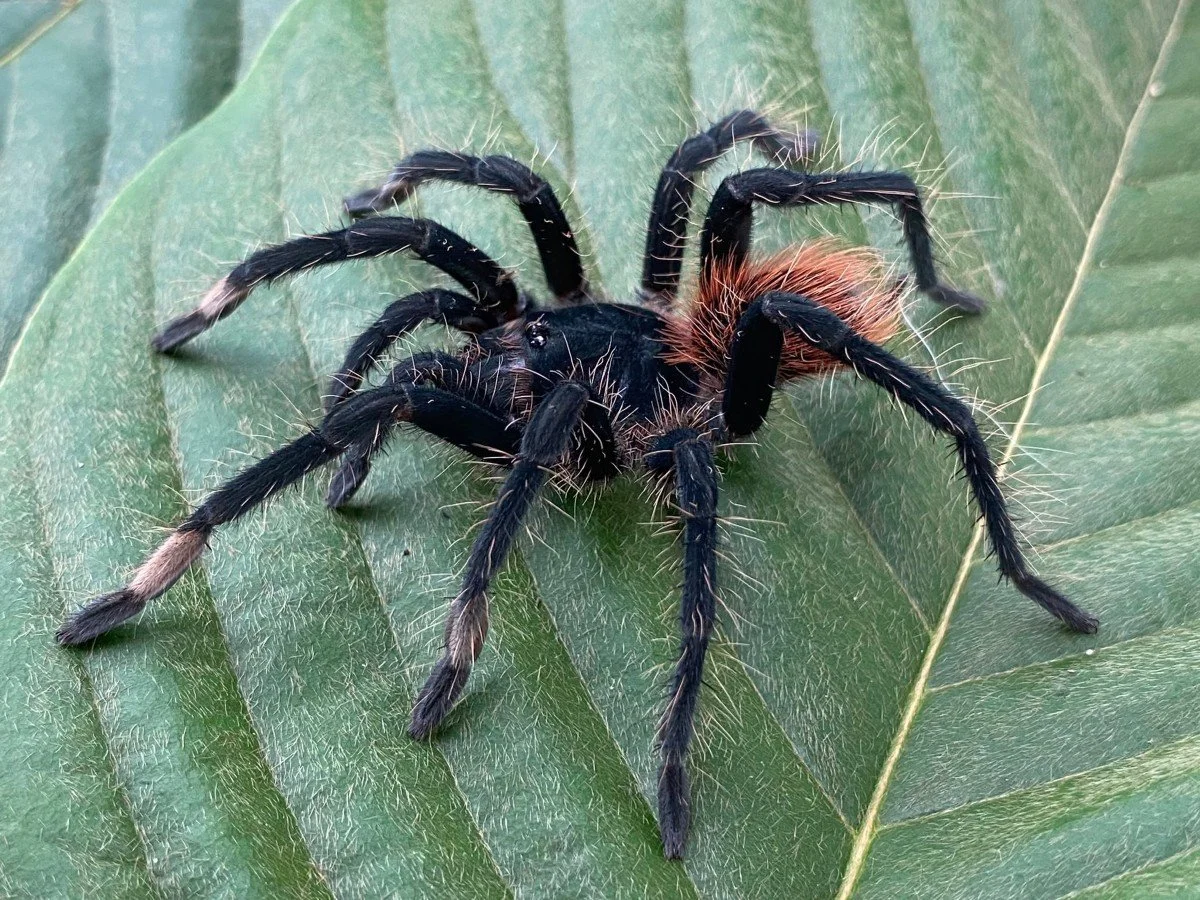
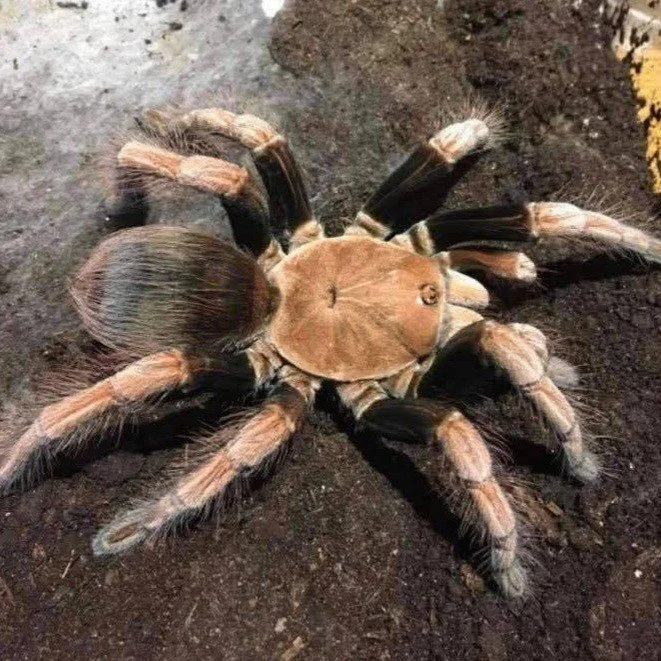
Pamphobeteus is a spectacular genus of large terrestrial tarantulas native to the tropical regions of South America, with species found across Colombia, Ecuador, Peru, Brazil and Bolivia. Commonly known as birdeaters, pink blooms or purple blooms, Pamphobeteus tarantulas are among the biggest and most sought-after New World tarantulas kept by enthusiasts around the world.
Unlike arboreal tarantulas that spend much of their time in the trees, Pamphobeteus species are ground-dwelling and opportunistically fossorial. In their natural habitat they shelter in burrows, leaf litter and natural cavities at the base of trees, lining their retreats with heavy webbing. Their impressive bulk, rapid growth rate and bold feeding response make Pamphobeteus tarantulas particularly rewarding to keep and observe.
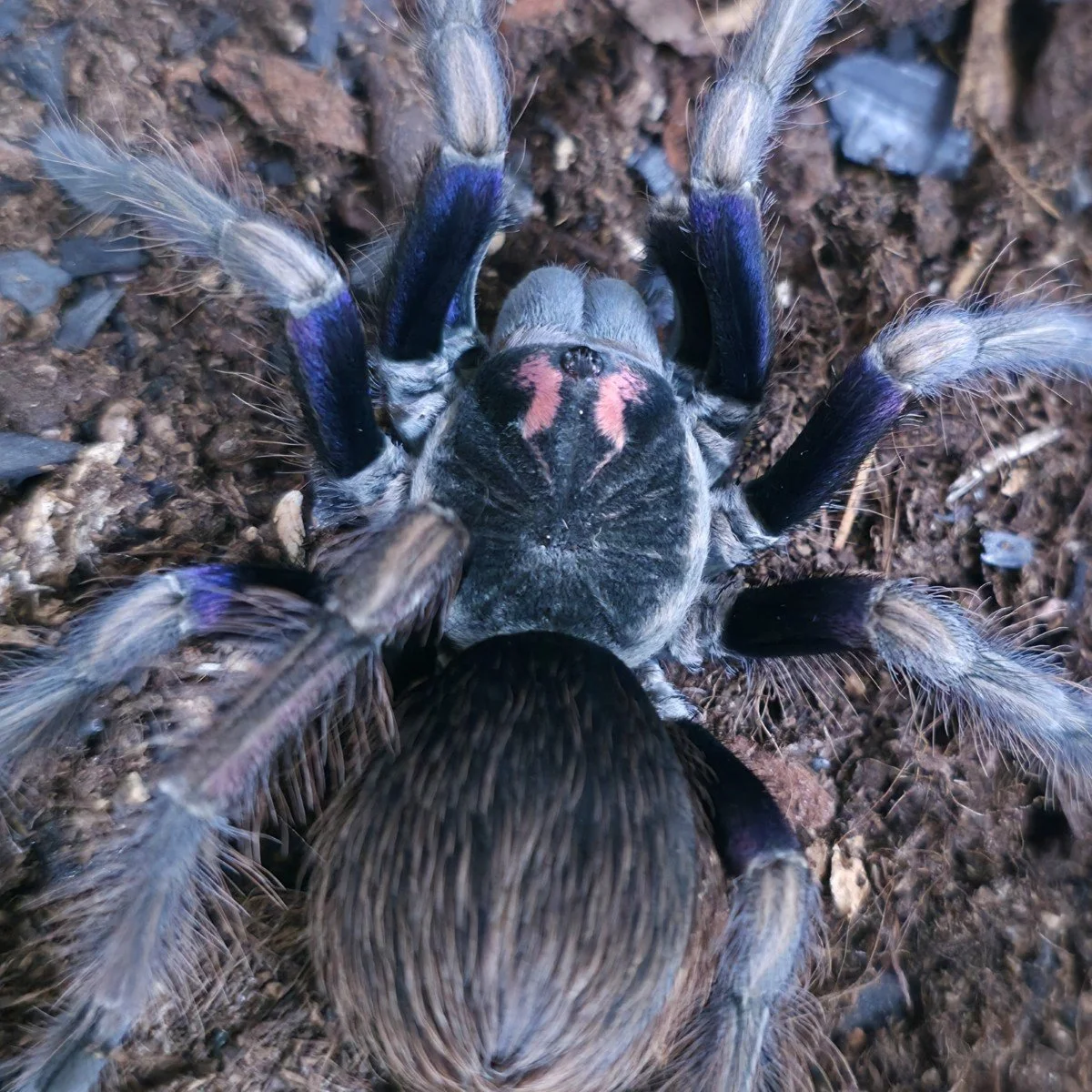
The genus includes a diverse range of species and forms, each with its own appearance and characteristics. Pamphobeteus sp. platyomma, the Brazilian Pink Bloom, is one of the best known, while Pamphobeteus ultramarinus, the Ecuadorian Birdeater, is admired for its intense violet-blue sheen. Other sought-after Pamphobeteus species include Pamphobeteus sp. Machala (Purple Bloom), Pamphobeteus sp. Solaris (Colombian Supernova), Pamphobeteus sp. Pema, Pamphobeteus skis (White Metatarsus Birdeater) and Pamphobeteus affinis nigricolor, alongside popular forms such as Pamphobeteus sp. Arana Pollito (Chicken Spider), Pamphobeteus sp. Conani, Pamphobeteus sp. Oreana and Pamphobeteus sp. Light.
One of the most appealing aspects of Pamphobeteus tarantulas is their dramatic sexual dimorphism. Mature males develop a brilliant iridescence across the carapace and legs, ranging from deep purple and violet to electric blue, often paired with the pink or rose bloom markings on the femora that give the group its common names. Females are generally larger and heavier bodied, wearing rich chocolate and earthy tones with a subtle metallic shimmer.
For tarantula keepers, understanding the differences between Pamphobeteus species is an important part of choosing and caring for these giant terrestrial tarantulas. Adult size, growth rate, temperament, humidity and substrate requirements vary between species, and most Pamphobeteus need a spacious terrestrial enclosure with deep substrate for burrowing, a cork bark retreat and a shallow water dish. With urticating setae and a fast, food-motivated nature, they suit keepers with a little experience behind them.
Whether you are researching Pamphobeteus tarantula species, looking for information on Pamphobeteus care, browsing Pamphobeteus slings, juveniles and adults for sale, or simply discovering the genus for the first time, exploring the individual species is the best way to appreciate just how diverse and fascinating Pamphobeteus tarantulas really are.

Pamphobeteus sp. Machala
Pamphobeteus ultramarinus
Shop Pamphobeteus Tarantulas
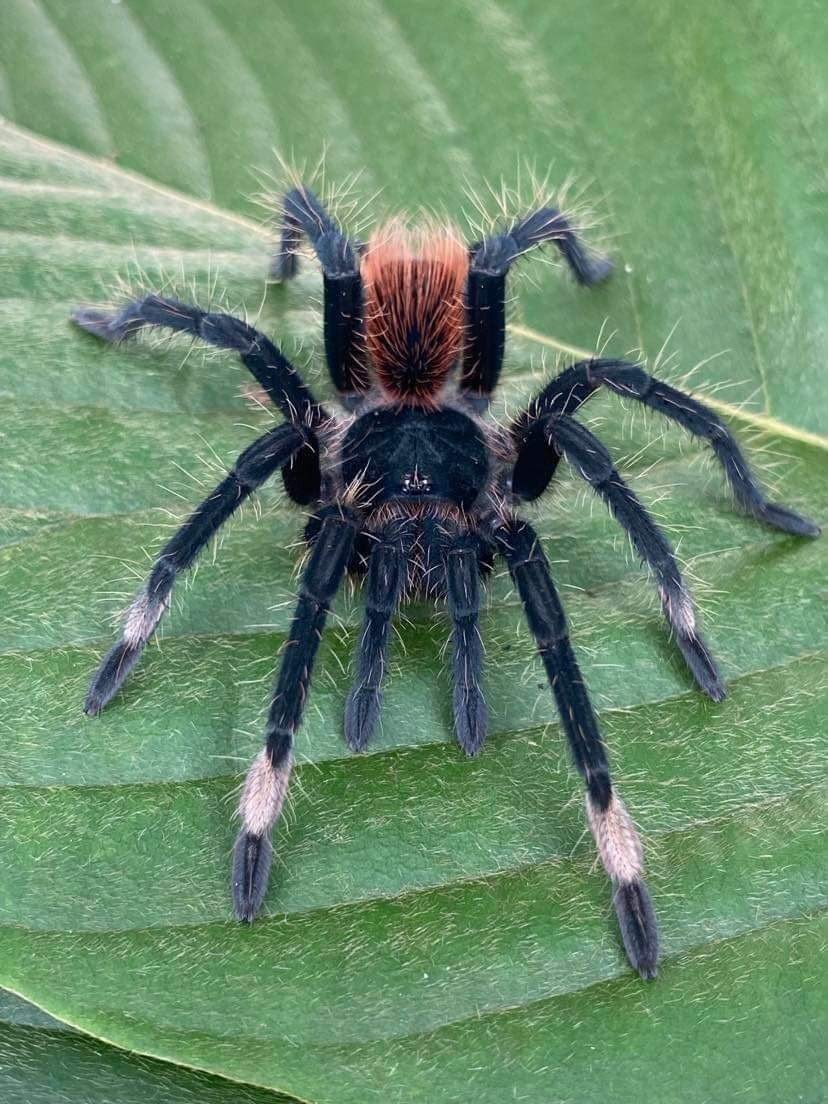
Pamphobeteus skis: A newly described New World terrestrial tarantula from Ecuador. Unlike classic Pamphobeteus slings with abdominal "Christmas tree" patterns, P. skis is distinguished by rich red abdominal setae and a pale/white patch on metatarsus I. A prized choice for an intermediate UK keeper seeking a large, fast-growing tarantula.
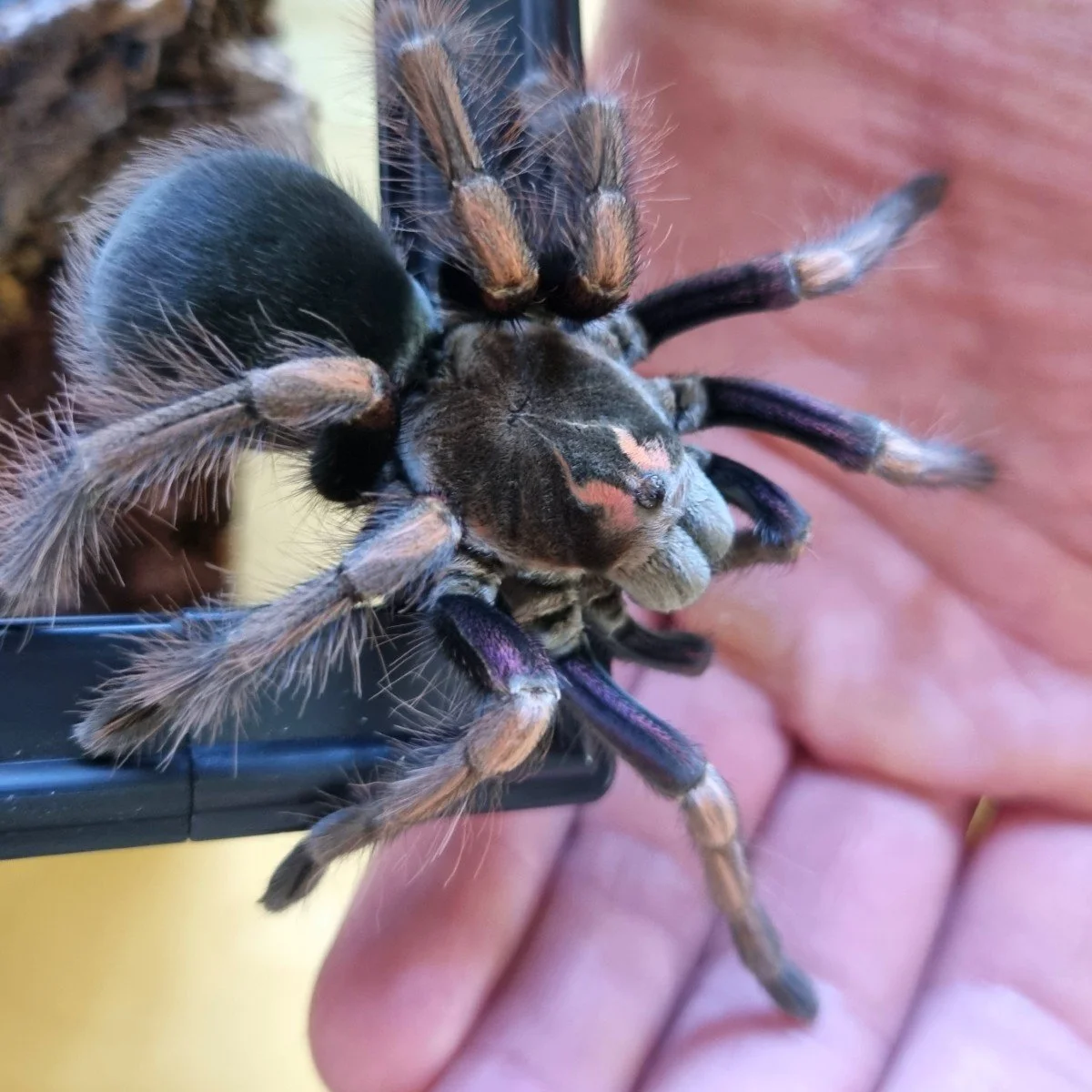
A fantastic juvenile male Pamphobeteus ultramarinus, commonly known as the Ecuadorian Birdeater, measuring approximately 5–6 cm.
This species is highly sought after for its impressive size, striking coloration, and active personality. As they mature they develop beautiful blue/violet tones and can become a truly spectacular addition to a tarantula collection.
This juvenile is well established, feeding readily, and growing well. A great choice for keepers looking to raise one of the larger and more visually impressive Pamphobeteus species from a young age.
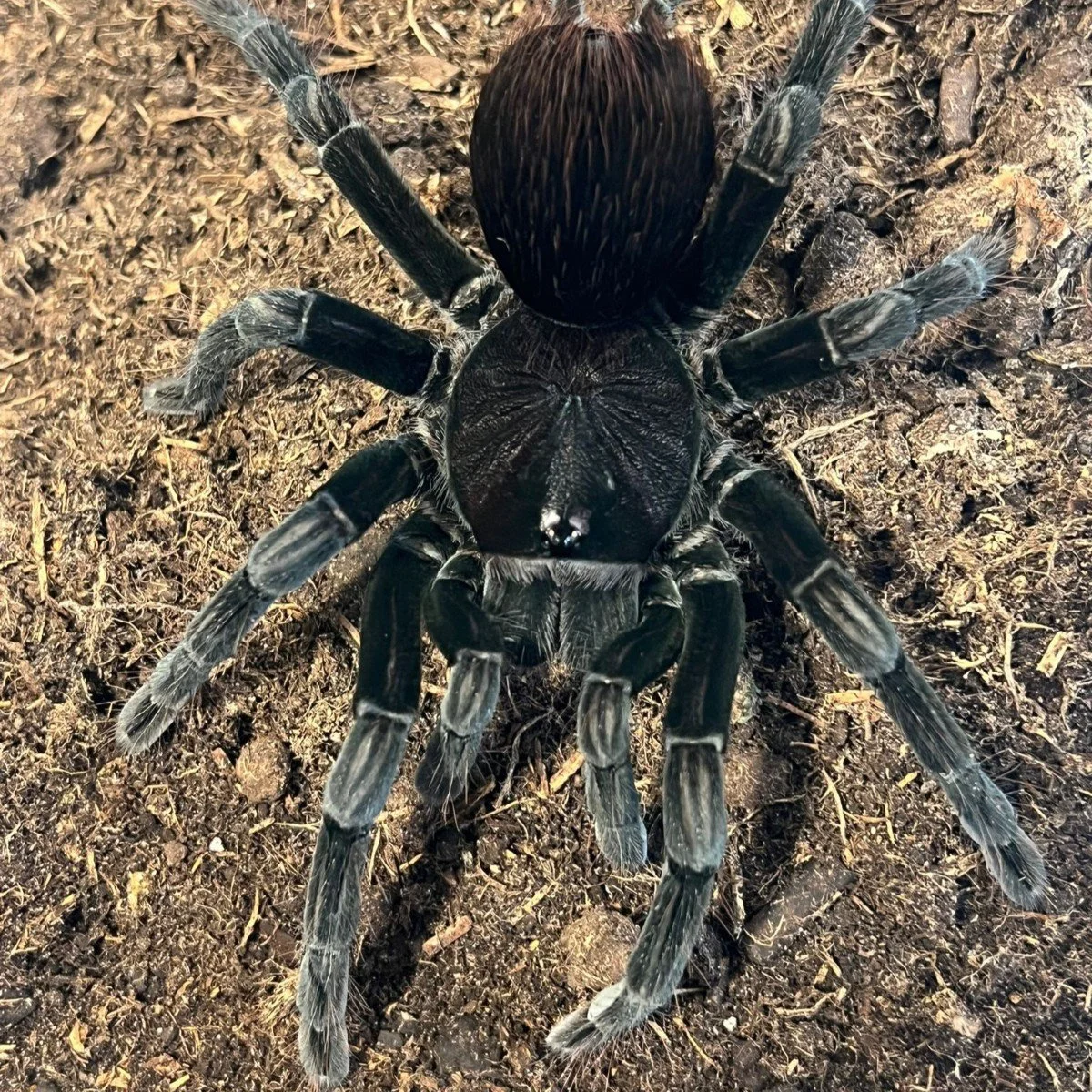
Pamphobeteus sp. Santo Domingo Big originates around 80 km from the original Santo Domingo Goliath locality. The gigantic females closely resemble Santo Domingo Goliath, but the geographic separation makes it wise to keep both populations distinct until further scientific study.
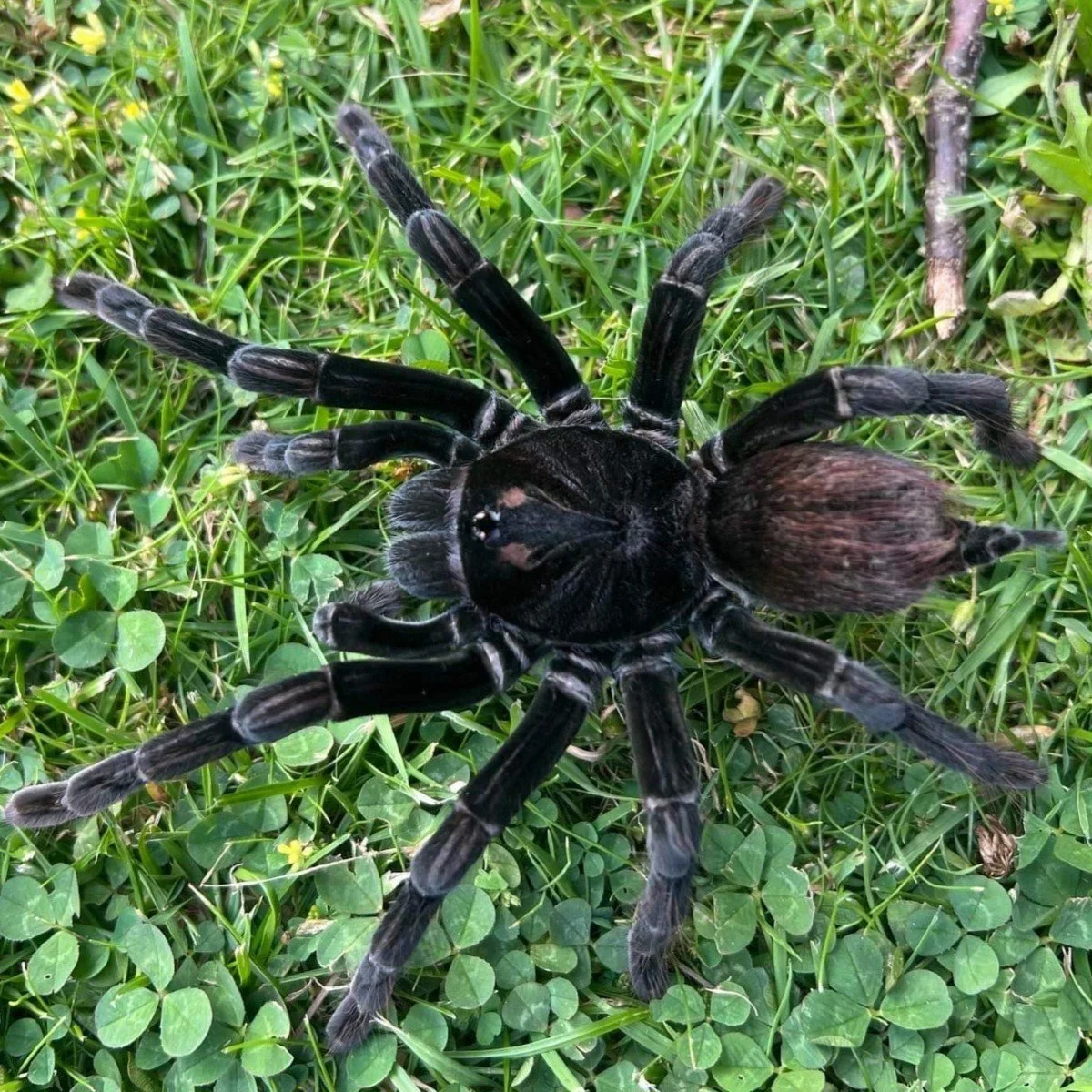
Pamphobeteus sp. Nopa: A massive, extraordinarily heavy-bodied New World terrestrial tarantula from Ecuador, prized for the stunning metallic-purple backing on mature males. This incredibly fast-growing species is a superb choice for an intermediate UK keeper. A highly confident, active, and voracious eater.
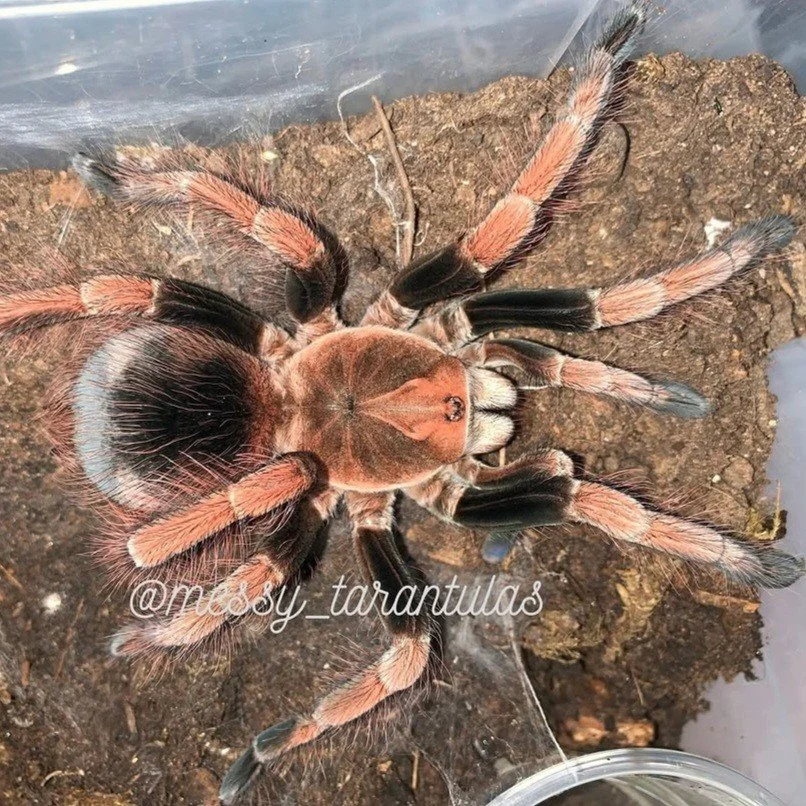
Pamphobeteus sp. Light is an extremely rare Ecuadorian tarantula found only in the same locality as Pamphobeteus sp. Dark. Adult females display a stunning pale yellow to orange carapace and grow into an impressively large, highly sought-after species.
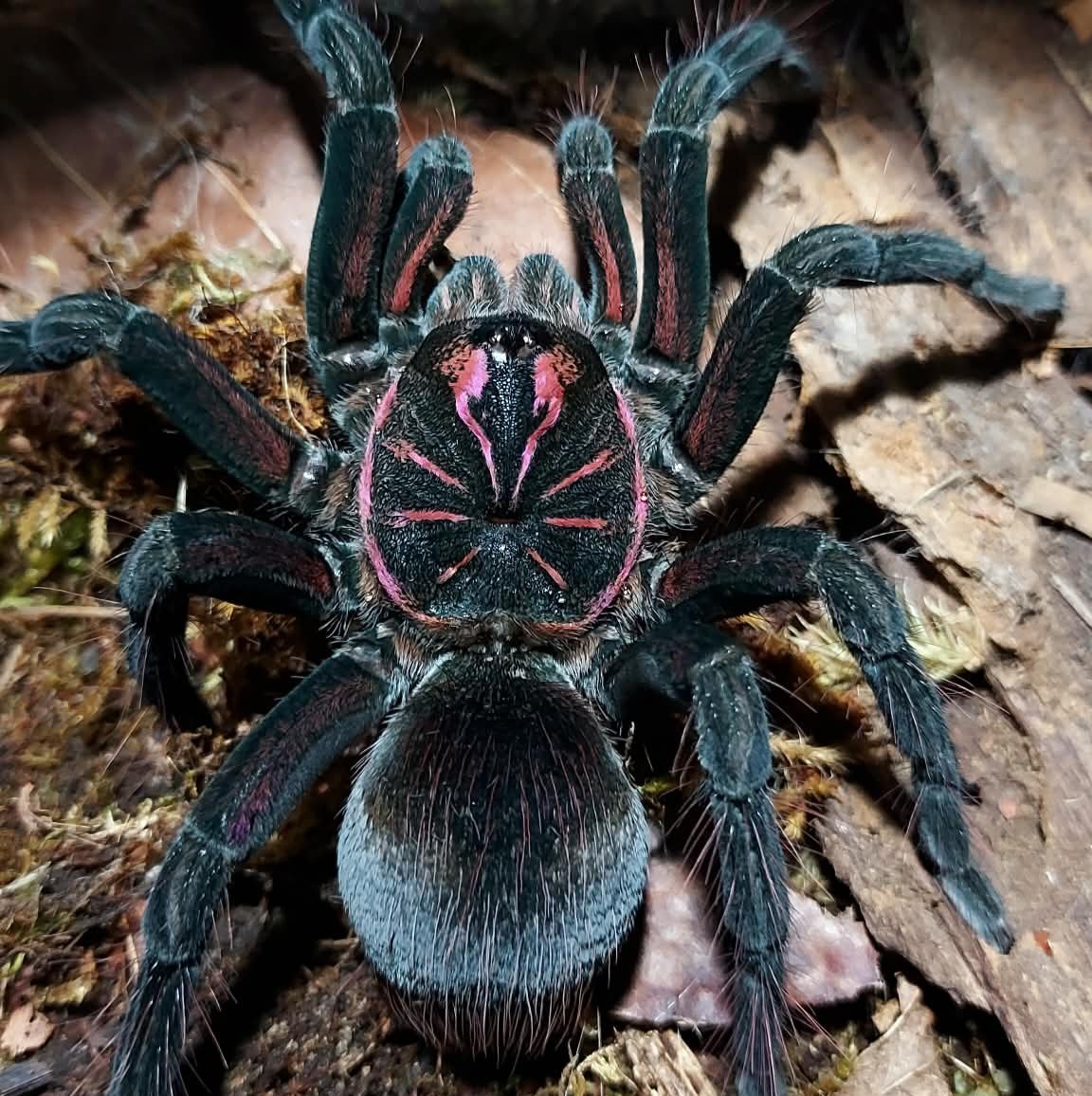
Pamphobeteus sp. Pema: A spectacular New World terrestrial tarantula from Ecuador, noted for its enormous size and vibrant purple iridescence markings on carapace even in adult females. This is impressive display species, making it a great choice for intermediate keeper.
More from the blog
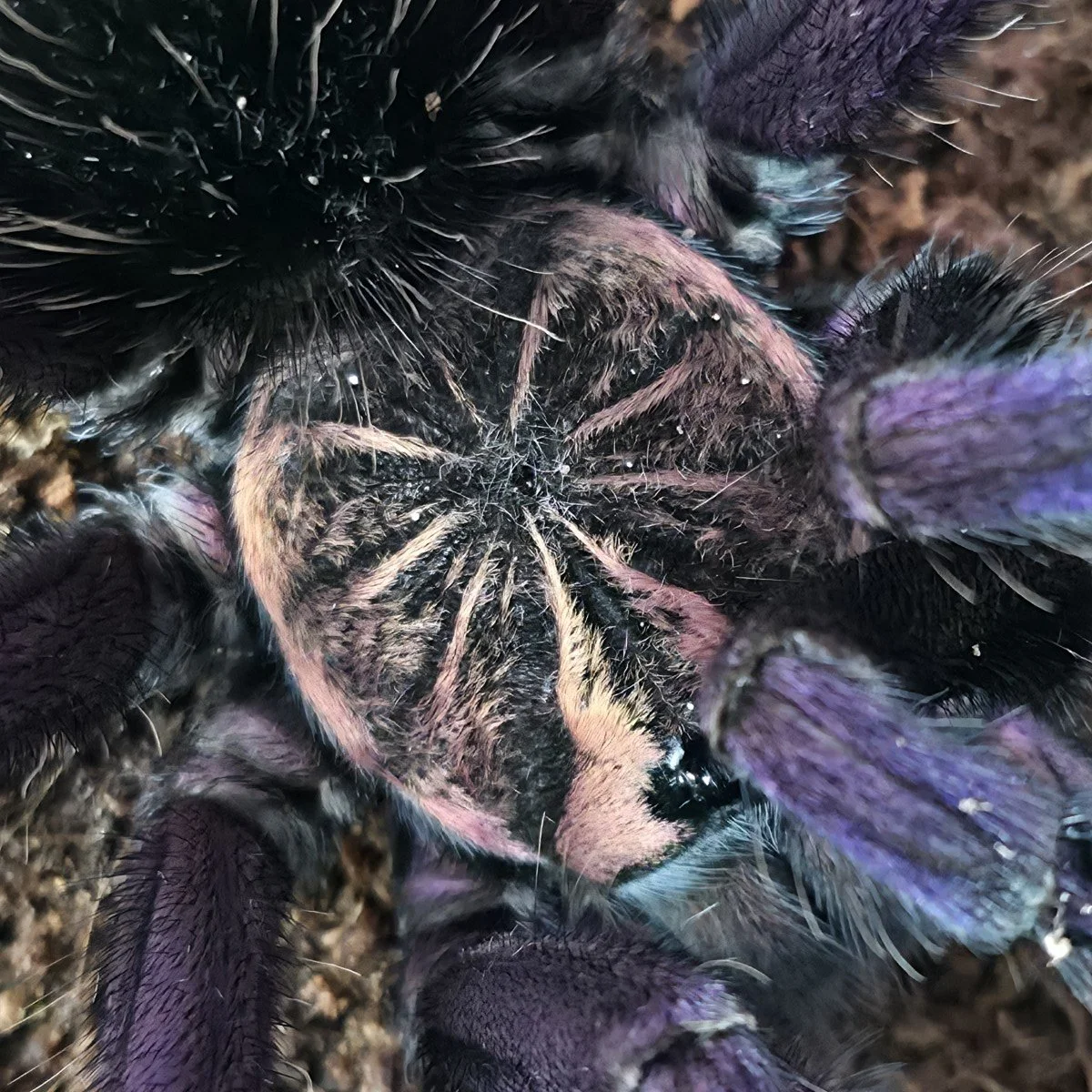
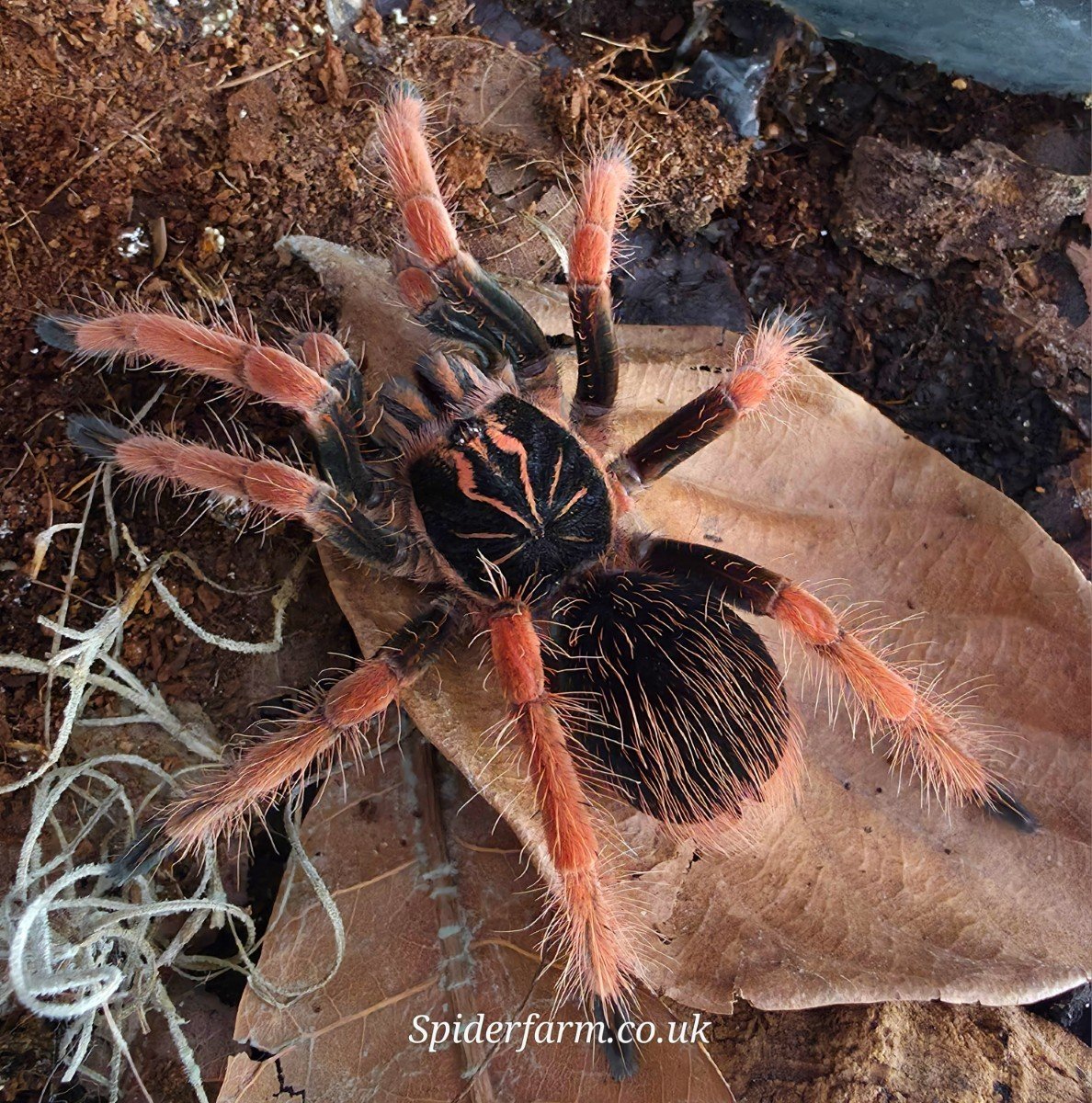
The Brazilian Pink Bloom
Pamphobeteus sp. platyomma
In the world of South American giants, few spiders can match the radiant intensity of the Pamphobeteus sp. platyomma, famously known as the Brazilian Pink Bloom. This species is the definition of "eye candy" in the arachnid hobby.
Colombian Supernova
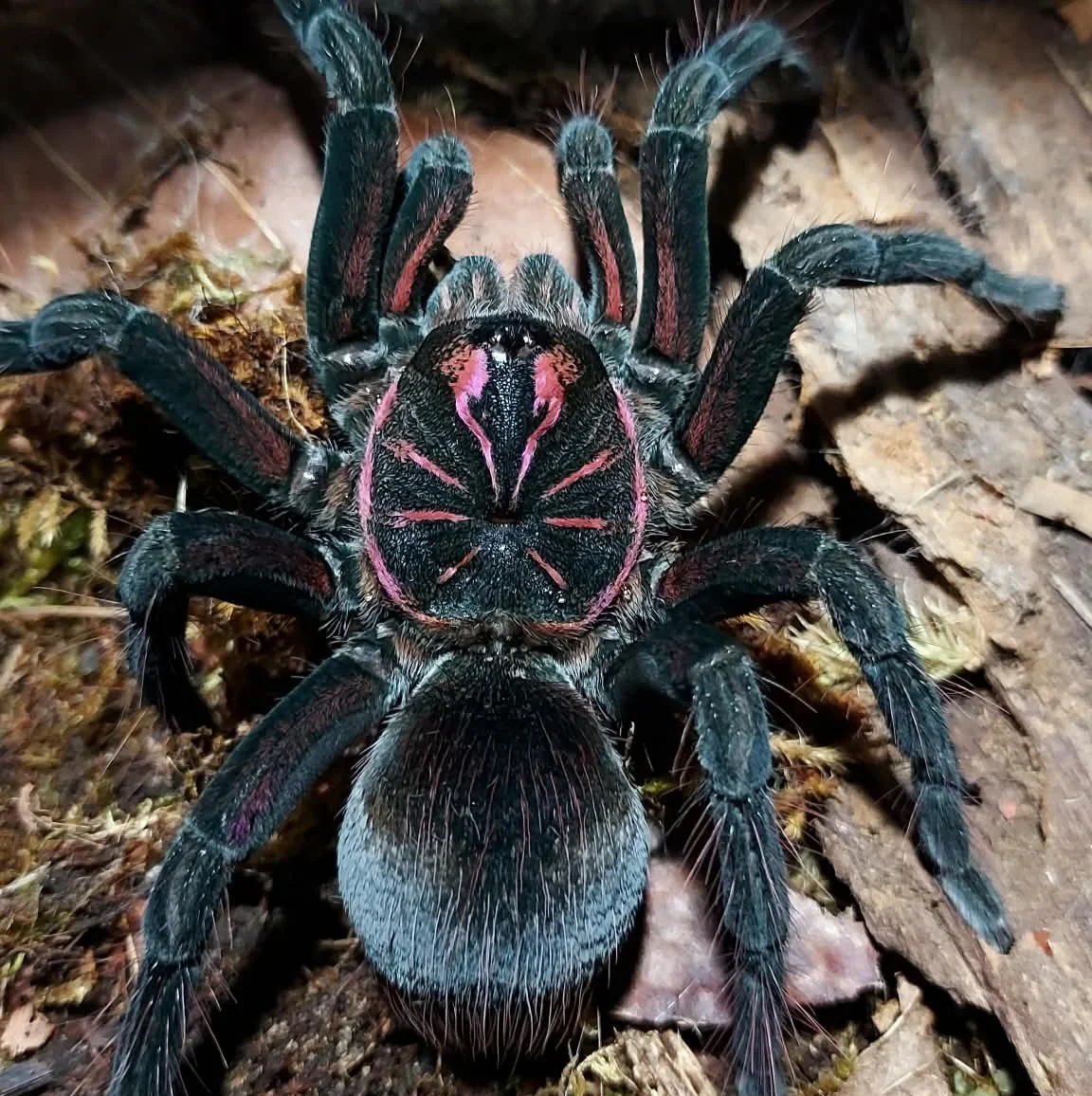
Pamphobeteus sp. solaris
In the elite tiers of the arachnid hobby, the Pamphobeteus sp. Solaris stands alone as perhaps the most sought-after species in existence.
Ecuador Giant
Pamphobeteus sp. pema
In 2024, the tarantula hobby welcomed an exciting new discovery: Pamphobeteus sp. “Pema”, a newly recognized species originating from Ecuador, specifically the mountainous regions near Santo Domingo.
Discover More…
Not sure if a Pamphobeteus is the perfect fit? Explore our massive selection of captive-bred tarantulas. From tiny, unsexed spiderlings to stunning, guaranteed-female adults, browse our full inventory to find the exact species your collection needs.