
Grammostola sp. maule: Exploring a Truly Rare New-World Tarantula Species
Introduction: The Rarity Factor
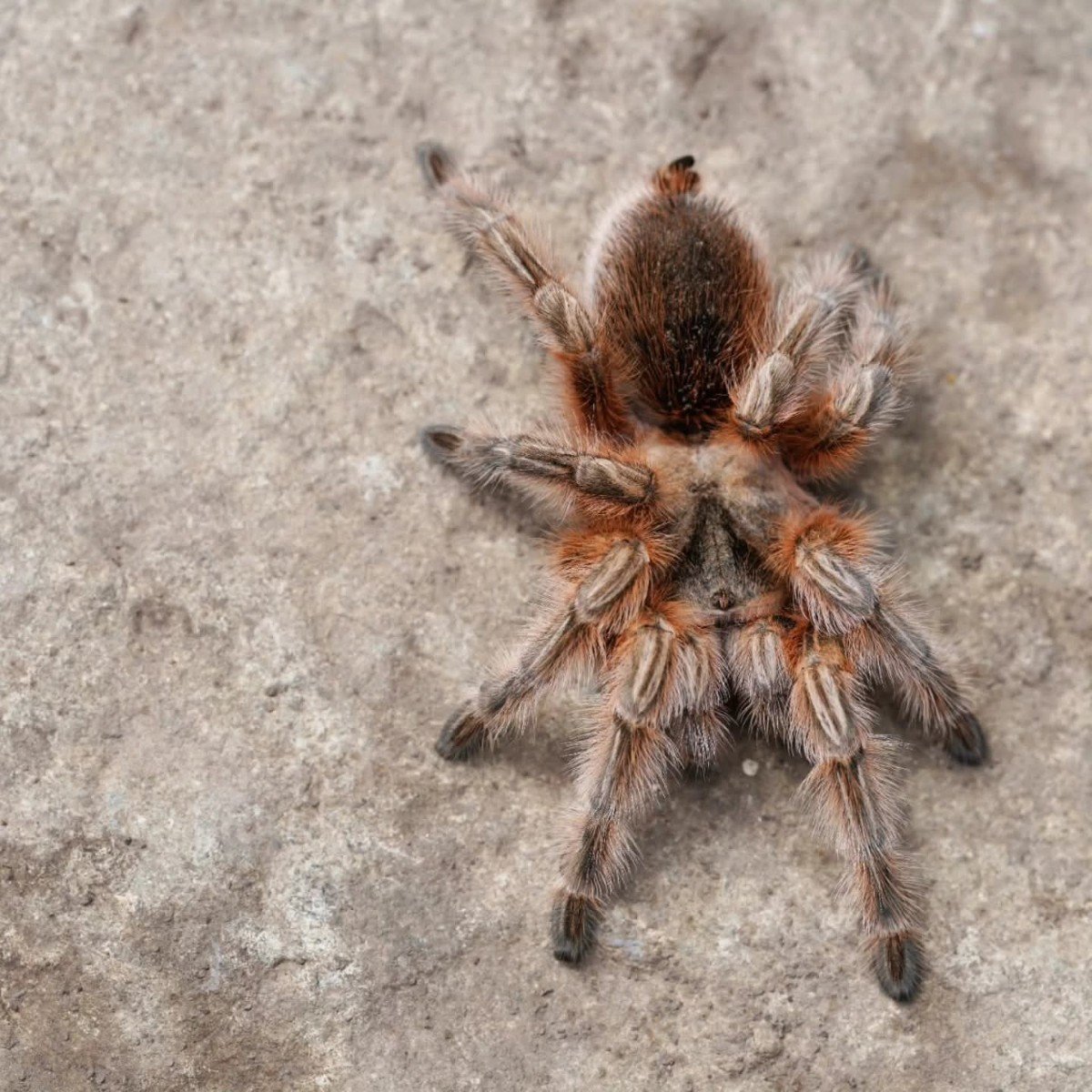
The genus Grammostola is world-renowned for producing some of the most beloved pets in the hobby, such as the Chilean Rose or the Brazilian Black. Yet, the Grammostola sp. maule remains a much harder-to-find relative. For a tarantula keeper, adding this species to a collection isn't just about expanding a menagerie; it is about preserving and observing a lineage that is seldom seen in the trade. Its scarcity makes it a centerpiece for any serious enthusiast.
Current Development: The Sling Stage
Establishing a rare tarantula from the earliest stages can be a challenge, which is why the current availability of these specimens at the 5th instar is so significant. Measuring approximately 2.5cm Diagonal Leg Span (DLS), these slings have moved past the fragile "spiderling" phase. At this size, they are well-established, eating consistently, and showing the robust health that the Grammostola genus is known for. This 2.5cm DLS stage is an ideal entry point, as it allows the keeper to witness the gradual development of their unique adult coloration while enjoying a more stable, hardy animal.
Temperament and Suitability
One of the primary reasons this species is so highly recommended is its incredible temperament. Like many of its Chilean cousins, Grammostola sp. maule is typically docile, slow-moving, and predictable. As a new-world terrestrial tarantula, it lacks the potent venom of old-world types and is far less prone to skittish behavior.
While its rare status makes it a prize for advanced collectors, its ease of care makes it perfectly suitable for a beginner keeper. It is an excellent choice for those who want a "display" species that can be observed without the high-stress speed associated with other tropical spiders.
Enclosure Setup and Growth Rate
Providing the right habitat for this terrestrial species is straightforward. They thrive in a semi-arid setup with deep, well-draining substrate to allow for occasional opportunistic burrowing. Because they originate from temperate regions, they are quite forgiving regarding humidity, provided a small water bowl is always present.
It is important for any tarantula keeper to note that, like most high-altitude or temperate Chilean spiders, they have a slow growth rate. This longevity is part of their appeal; you are not just keeping a pet for a few years, but potentially for decades, making the journey from a 2.5cm sling to a majestic adult a rewarding, long-term project.
Conclusion
The Grammostola sp. maule represents a perfect intersection of beauty, ease of care, and exclusivity. For anyone involved in the tarantula scene, acquiring this rare new-world species is a standout moment. Whether you are a novice looking for your first hardy sling or a veteran collector seeking a rare Chilean gem, this terrestrial marvel is an investment in one of the hobby's best-kept secrets.
